




Over 10 Years: National Service Dog Education, Advocacy & Support

Service Dog–First Guidance (ADA Public Access)
Instant Screening + Clinically Aligned Support Options
Secure, Confidential, and Privacy-Respecting
Service Dog Standards, Rights & Real-World Public Access
A legitimate Service Dog is not defined by a vest, patch, online registry, or “instant certification.” A Service Dog is a dog individually trained to perform specific tasks that mitigate a person’s disability. This page provides practical guidance, expectations, and resources — not just a sign-up button.
THREE SIMPLE STEPS TO GET STARTED

OUR PACKAGES
Fully Guaranteed – Tax Deductible – Legally Compliant




 CHECKOUT OUR 5 STAR RATINGS
SERVICE DOG PUBLIC ACCESS + HOUSING + TRAVEL GUIDANCE
PUBLIC ACCESS (ADA) — Service Dog Rules
A Service Dog is allowed in public places when it is task-trained to assist with a disability and is under control. Staff may ask only two questions: (1) Is the dog required because of a disability? (2) What work or task has the dog been trained to perform?
What you should expect
- Calm, controlled behavior in public
- Housebroken status
- Leash/harness/tether unless it interferes with tasks
- Respectful communication with staff when questions arise
What you should NOT be required to show
- No federal “service dog registry” exists
- No mandated ID card for ADA public access
- No requirement to disclose diagnosis
- No demand to demonstrate tasks in public

HOUSING (FHA)
Rentals, Apartments, Condos, Certain Hotels/Extended Stays
Housing is handled under the Fair Housing Act framework. A landlord may request reliable documentation in some situations to establish a disability-related need for an assistance animal. This can include a Service Dog and, in some cases, an Emotional Support Animal. Service Dog of America focuses on lawful, respectful, and clinically aligned processes to reduce conflict and discrimination.

TRAVEL (ACAA)
Air Travel + Transportation Considerations
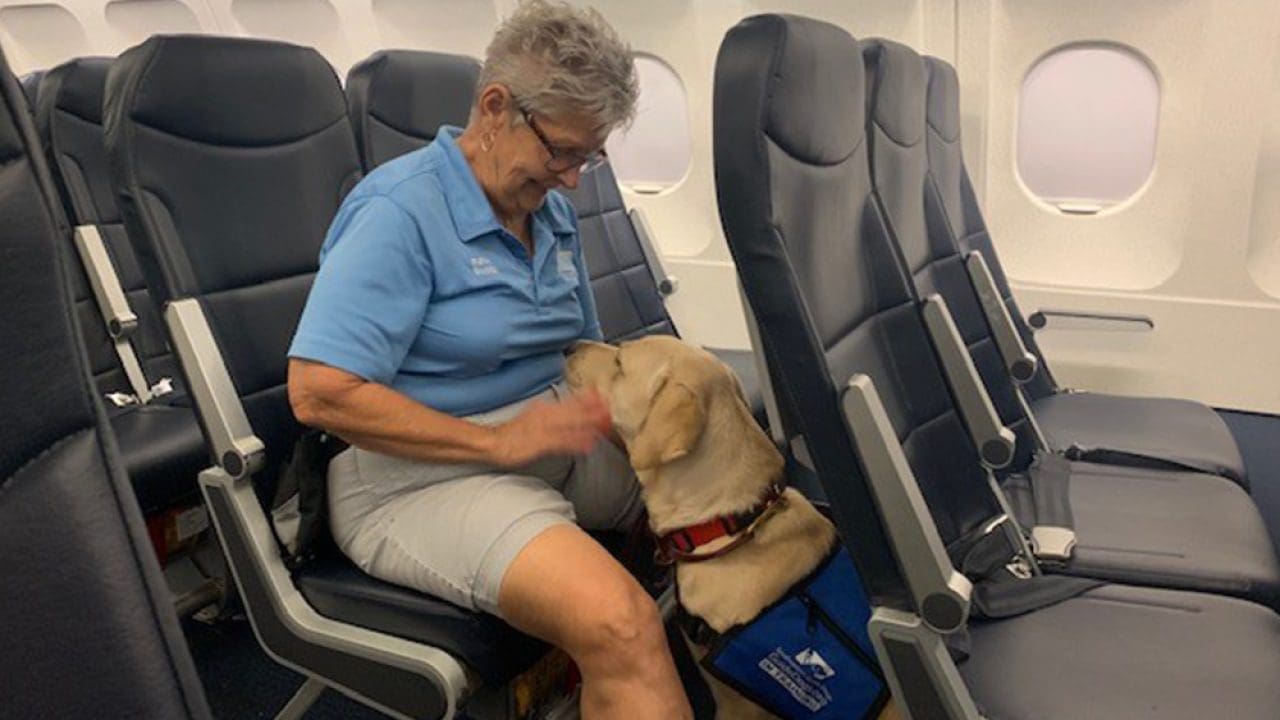
Air travel rules can include airline forms and behavior standards. A trained Service Dog must remain under control and not pose a direct threat. We provide guidance so handlers understand what airlines may require and how to prepare for smoother check-in, boarding, and in-flight behavior.
PROVEN BENEFITS of Service Dogs
-

INCREASE STABILITY -
REDUCE CRISIS EVENTS -

IMPROVE DAILY FUNCTION -

INCREASE CONFIDENCE


A SERVICE DOG CAN HELP WITH

Anxiety / Panic Support Tasks
PTSD Interruption Tasks
Autism Support Tasks
Grounding / Disassociation Support
Routine / Safety Tasks

Diabetes Alert Support
Seizure Response Support
Cardiac Episode Response
Medication Reminders
Emergency Retrieval / Help-Seeking

Balance / Counterbalance
Item Retrieval
Door / Light Assistance
Bracing (when appropriate)
Wheelchair Assistance Tasks
AVOID ONLINE “SERVICE DOG” SCAMS
 A credible organization focuses on education + compliance — not just selling paperwork.
There is no federal service dog registry for ADA public access.
A service dog must be task-trained and under control in public.
Ethical pathways help protect disabled handlers from backlash and discrimination.
Download Our App


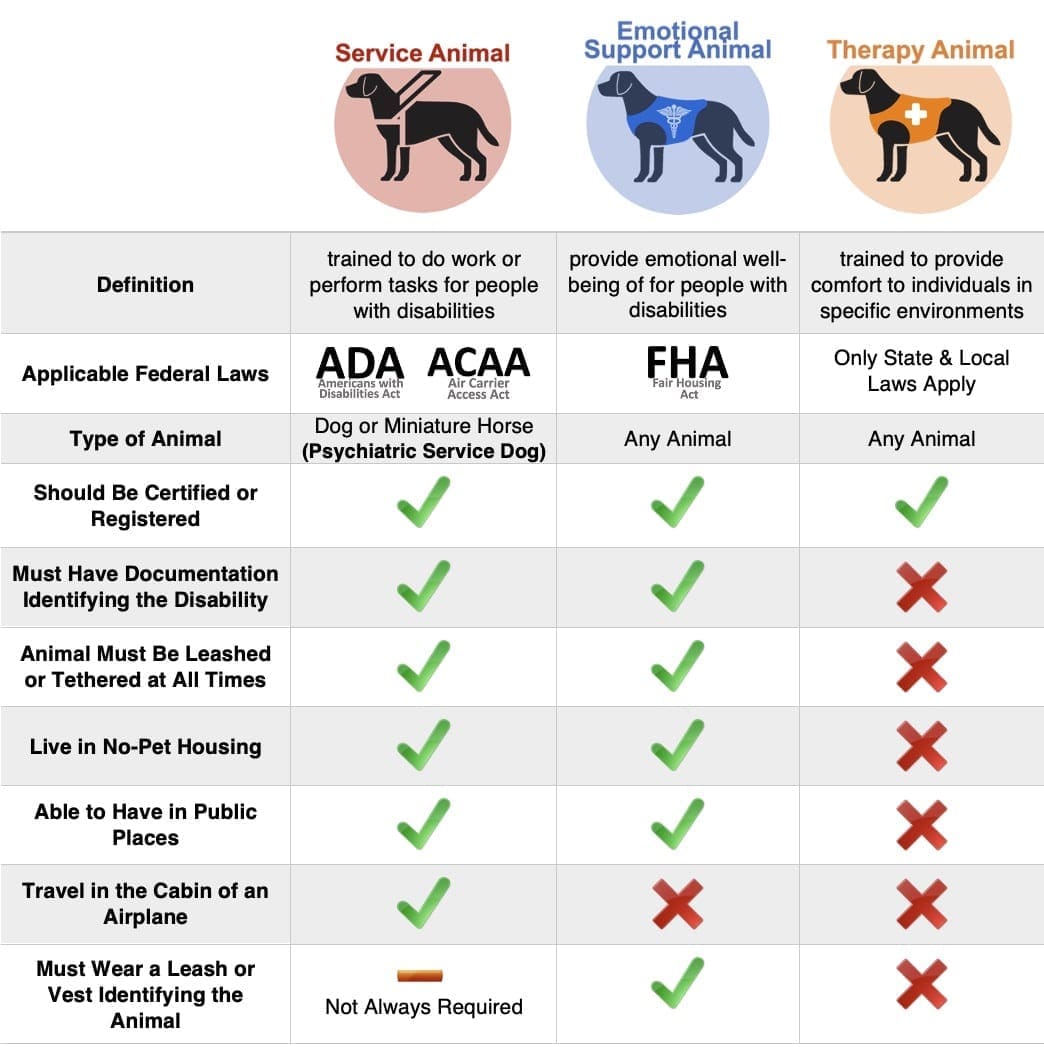
Service Dogs vs Emotional Support vs Therapy Animals (Quick Clarity)
Many people confuse service animals, emotional support animals, and therapy animals. The difference matters because different rules apply in public access (ADA), housing (FHA), and air travel (ACAA). This site remains Service Dog–first, but we include ESA context where legally relevant.
Summary Chart
This chart helps identify the correct category and the laws that apply:
Real-World Public Access FAQ (Service Dogs)
What questions can a business ask under the ADA?
Generally, staff can ask only: (1) Is the dog required because of a disability? and (2) What work or task has the dog been trained to perform? They should not require documentation or ask for details about your diagnosis.
Can a service dog ever be asked to leave?
Yes, if the dog is not under control, is not housebroken, or poses a direct threat. Removal is about behavior, not the disability.
Do service dogs have to wear a vest?
No. A vest can reduce confusion, but it is not a federal requirement for public access.
What makes this page “not a doorway page”?
This page exists to educate and guide: standards, rights, responsibilities, FAQs, and resources — with optional pathways for people who want help navigating compliance. It is not a thin funnel page.
EASY, FAST, and VERY CONFIDENTIAL PROCESS


OUR MISSION
Service Dog of America is a nonprofit organization committed to protecting legitimate Service Dog standards and supporting individuals with disabilities through education, advocacy, and access resources. We help people understand lawful definitions, real-world expectations, and compliant pathways so handlers can live and travel with dignity, safety, and confidence.